


What is PCT?

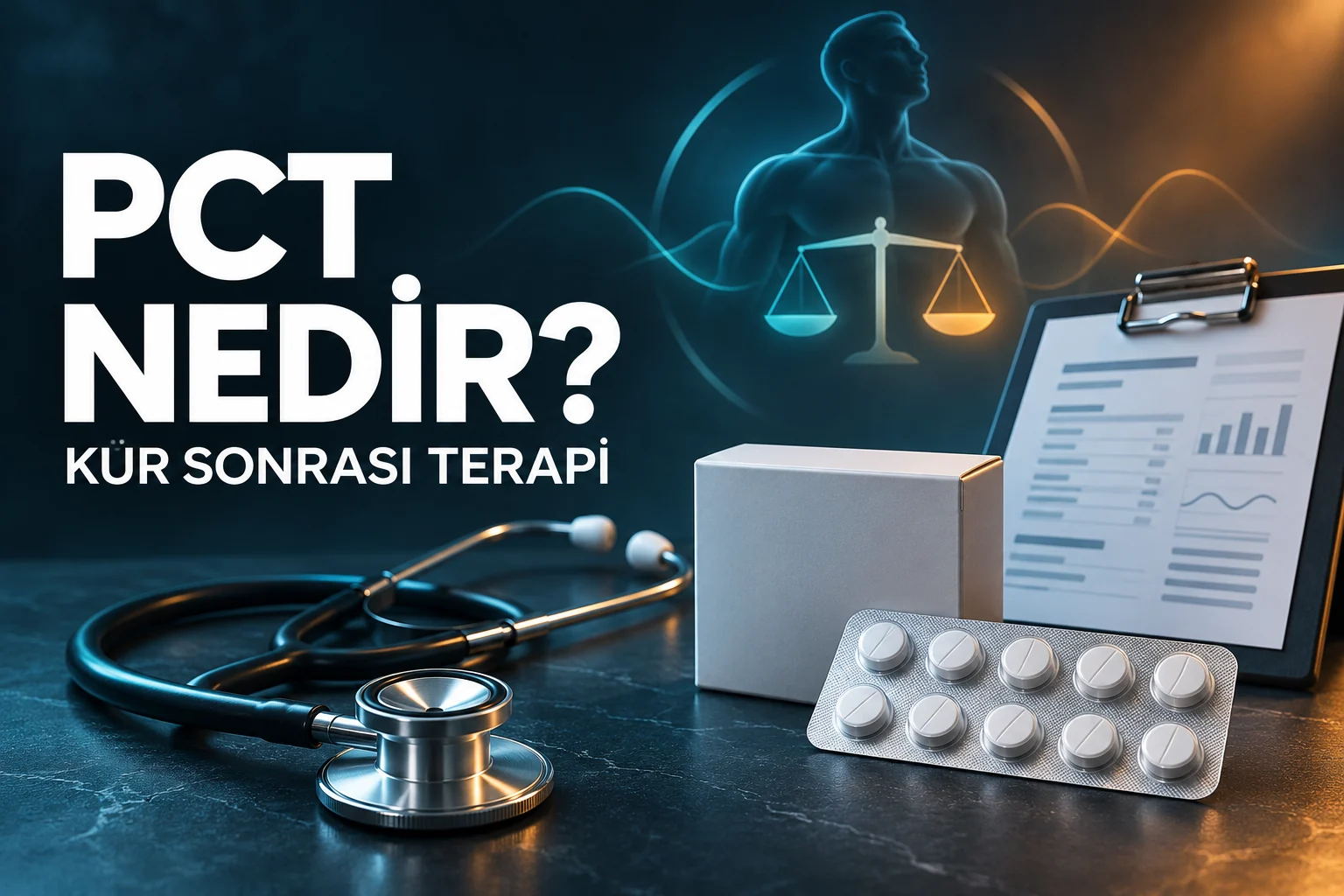
What is PCT? End of Cycle Treatment and Hormone Balance
When anabolic steroid cycles end, exogenous hormone supplementation is discontinued and the body's own hormonal machinery (HPTA axis) remains in a temporarily suppressed state. PCT (Post Cycle Therapy), which comes into play at this stage, is a vital process to preserve the gained muscle mass and return natural testosterone production to its previous level as soon as possible.
What is PCT (End of Cycle Treatment) and Why is it Vital?
While steroid use continues, high externally supplied hormone levels cause the pituitary gland to suspend the production of LH (luteinizing hormone) and FSH, which stimulate the testicles. If this warning does not return after the end of the cycle, a serious hormonal collapse, depression, loss of libido and rapid muscle loss (catabolism) will occur. The PCT process is applied to soften this transition and protect the endocrine system.
Basic Components Used in the PCT Process
- SERMs (Selective Estrogen Receptor Modulators): Active ingredients such as Tamoxifen (Nolvadex) and Clomiphene (Clomid) stimulate the pituitary gland, triggering natural testosterone secretion.
- HCG (Human Chorionic Gonadotropin): It is used towards the end or at the beginning of the cycle in order to prevent atrophy (shrinkage) of the testicles and to maintain their functionality.
How to Plan the PCT Protocol?
The end time of the cycle is calculated according to the half-life of the esters used. For example, after long-ester testosterone cycles, one should wait 2 to 3 weeks after the last injection to begin PCT. In order to fully manage the process and support the body's recovery phase, you can consider the principles in the steroid dry how-to guide we have previously reviewed. Additionally, you can examine the supporting formulas in the PCT products category to protect your liver and general health while keeping your hormone levels balanced.